Tame in spanish
Domar
pronunciation: doʊmɑɹ̩ part of speech: adjective, verb
pronunciation: doʊmɑɹ̩ part of speech: adjective, verb
In gestures
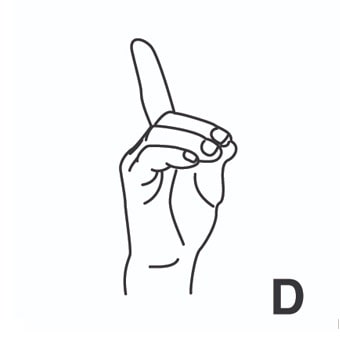
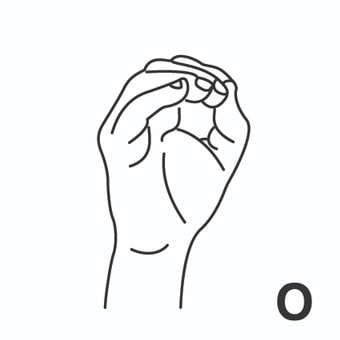

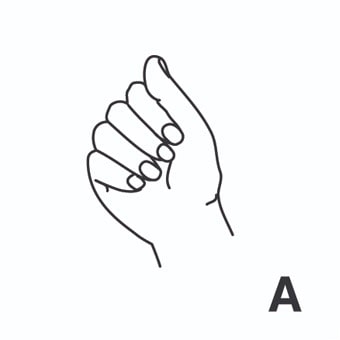
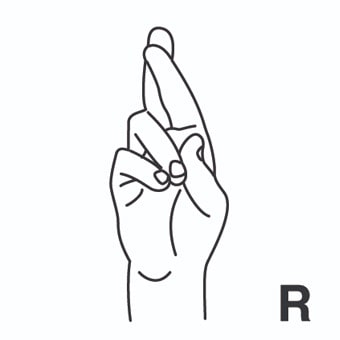
tame [tamer -comp., tamest -sup.]1 = manso, dócil, domado, domesticado, suave. [Pincha en o en para ver otros adjetivos cuyo grados comparativos y superlativos se formas añadiendo "-er" o "-est" (o sus variantes "-r" o "-st") al final]
Example: Today, nudity, sex, and excessive violence are not an issue and even the raciest films would garner a PG-13 rating from the Motion Picture Association of America, and most are even tamer than that.tame2 = dominar, domar, amansar, amaestrar, domesticar.
Example: The problem reside in the fact that they environment we seek to tame and control is an open, unstructured dynamic process, while human organizations are static and highly resistant to change.more:
» tame + the beast = domar la fiera, controlar la situación, dominar la situación.
Example: The article is entitled 'Taming the Beast: Designing a Course in Intercultural Communication'.